The modern corporate landscape calls for leaders who are strong, adaptable, and resilient like never before. Interestingly, some of the most effective leadership traits seen in successful CEOs are rooted in military training and experience. The transition from soldier to executive may seem like a leap across industries, but the principles that guide effective command in the field are surprisingly aligned with those that drive excellence in the boardroom.
This blog explores the powerful leadership lessons the military instills—and how those same principles are reshaping business leadership around the world.
- Discipline as the Foundation of Leadership
In the military, discipline isn’t just about rules and regulations—it’s about consistency, accountability, and attention to detail. Soldiers learn early that personal discipline is important not only for individual survival but for team success.
In the corporate world, disciplined leaders model consistency in decision-making, manage time effectively, and hold themselves and others accountable. They create structured environments where expectations are clear and goals are met efficiently. This kind of leadership builds trust and sets a strong example across an organization.
- Mission-Focused Thinking
Military training emphasizes clear objectives and mission success. Leaders are taught to break down complex goals into actionable plans, allocate resources wisely, and remain focused, even under immense pressure.
This translates directly to the business world, where CEOs must keep their organizations aligned with long-term strategies while navigating short-term challenges. Military-born leaders are often skilled at prioritizing what matters most, managing crisis situations calmly, and delivering results under tight deadlines.
- Adaptability in Uncertain Conditions
No plan survives first contact with the enemy—a common military saying that underscores the importance of flexibility. Soldiers must adapt quickly to changing environments, unexpected events, and limited resources.
Executives face similar unpredictability. Market trends shift, competitors emerge, technologies evolve, and global events can disrupt entire industries. Leaders with a military mindset excel at staying calm under pressure, pivoting when necessary, and guiding their teams through transitions without losing sight of the bigger picture.
- Teamwork and Collective Strength
Military units rely on cohesion and mutual trust. Soldiers are trained to think beyond personal success and to put the team first, understanding that everyone’s role contributes to the mission.
In corporate settings, successful CEOs foster collaboration, promote open communication, and value every team member’s contribution. They often lead by example, demonstrating humility and accountability—qualities that earn respect and inspire loyalty. Leaders who treat their workforce like a team rather than a hierarchy often see stronger performance and morale.
- Strategic Decision-Making Under Pressure
In combat, leaders must make quick, high-stakes decisions with incomplete information. They are taught to assess risks, consider possible outcomes, and act decisively—even when the consequences are significant.
This skill is invaluable in business, where delayed decisions or poor judgment can impact revenue, reputation, and long-term sustainability. Military-trained leaders tend to be pragmatic, prepared, and confident decision-makers who value both intuition and intelligence. Their ability to analyze data while trusting their instincts makes them highly effective in boardroom strategy.
- Integrity and Accountability
Honor and integrity are cornerstones of military life. Leaders are taught to take responsibility for their actions and to always act in alignment with a clear moral compass.
These values resonate deeply in the corporate world. CEOs who operate with transparency, admit mistakes, and stay true to their principles earn the trust of investors, employees, and customers. Integrity-driven leadership fosters ethical cultures, which are increasingly essential in today’s socially conscious marketplace.
- Resilience and Mental Toughness
Perhaps the most defining quality of a military leader is resilience. Trained to endure extreme stress, physical demands, and emotional challenges, soldiers develop mental toughness that carries over into civilian leadership roles.
Resilient CEOs are better equipped to handle setbacks, bounce back from failures, and remain optimistic through economic downturns or internal disruptions. Their ability to lead by example—staying calm and confident even when things go wrong—helps their organizations weather storms and emerge stronger.
Conclusion: A Life of Leadership Across Terrains
The transition from the battlefield to the boardroom is not as uncommon as one might think—and for good reason. The military equips individuals with a leadership toolkit built on discipline, strategy, adaptability, and service. These skills, tested under some of the most demanding conditions imaginable, prepare individuals not just to lead, but to inspire, empower, and drive meaningful impact across any industry.
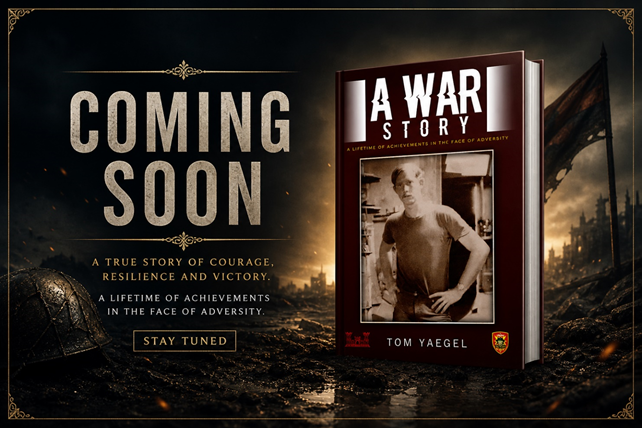
For a powerful real-life story that mirrors this journey, explore Tom Yaegel’s “A War Story”—a moving account of a man who leveraged military training and life experiences to navigate personal and professional challenges over decades. This inspiring narrative captures the essence of leadership, perseverance, and triumph through the lens of one man’s extraordinary path.