The Vietnam War remains one of the most complex and challenging chapters in modern military history. Spanning nearly two decades and involving millions of American service members, the war introduced soldiers to a vastly different landscape—physically, politically, and emotionally. For those on the ground, military life in Vietnam was a constant test of endurance, adaptability, and mental strength.
Beyond the historical context and military strategies, the lessons drawn from daily survival in the field remain relevant, not only for understanding combat life but also for appreciating the resilience of the human spirit.
Adaptability in the Face of Uncertainty
One of the most defining characteristics of military life in Vietnam was the unpredictability of the environment. Soldiers had to adapt quickly to terrain that was often unfamiliar and unforgiving. Dense jungles, swamps, mountains, and monsoon rains created physical and tactical challenges that couldn’t be anticipated in training.
Adaptability became a matter of survival. Patrolling soldiers often faced booby traps, ambushes, and guerrilla tactics. Plans changed on the ground minute by minute, requiring immediate adjustments. This taught soldiers the importance of thinking on their feet, trusting instincts, and staying calm in chaos—skills applicable not only in warfare but also in leadership, crisis management, and high-pressure decision-making.
Mental Resilience Under Prolonged Stress
Combat in Vietnam wasn’t confined to short bursts of engagement. Many soldiers endured months or years of intense physical and psychological pressure, often with limited support or understanding from those back home. The jungle environment itself added to the mental toll—unrelenting humidity, insects, disease, isolation, and the ever-present threat of attack.
Mental resilience was built not just through personal strength, but also through camaraderie and routine. Small acts—writing letters home, maintaining personal hygiene, or following patrol rituals—helped establish structure in an otherwise volatile setting. These coping strategies were necessary for enduring the long-term stresses of deployment, and they highlight how even simple, consistent habits can be powerful tools in maintaining emotional stability.
The Value of Camaraderie and Trust
In Vietnam, the bond between soldiers often meant the difference between life and death. The reliance on one another was immediate and absolute. Trust was not optional—it was earned quickly and reinforced daily.
This level of interdependence cultivated deep loyalty and a profound sense of responsibility toward fellow soldiers. Teamwork was more than a tactical requirement—it was emotional grounding. Knowing that someone had your back allowed many soldiers to push through fear, fatigue, and trauma.
Today, many veterans reflect on these relationships as the most meaningful of their lives. The lesson here is timeless: when facing extreme challenges, strong relationships built on trust and shared experience are vital to perseverance.
Physical Preparation and Discipline
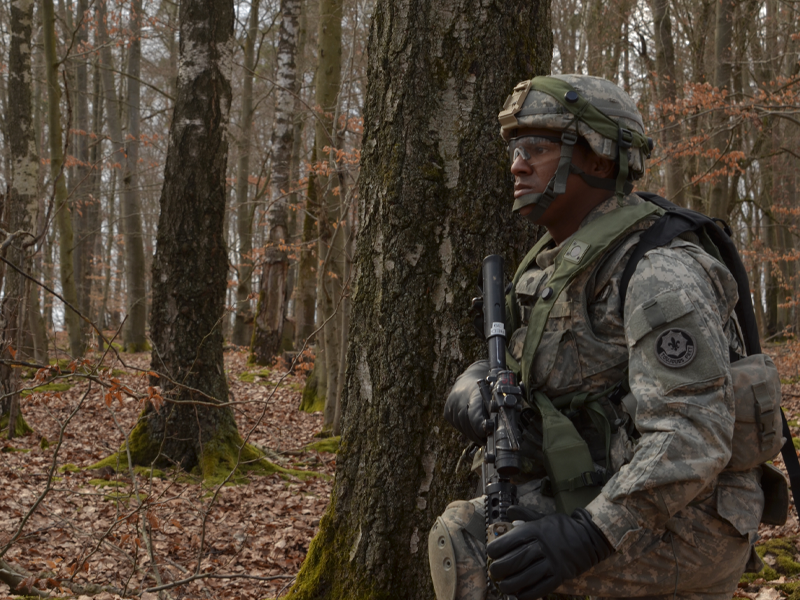
Physical survival in Vietnam demanded more than fitness—it required endurance, agility, and constant readiness. Long marches, heavy gear, and extreme weather were part of everyday life. Soldiers had to stay alert at all times, even in rest. This level of physical discipline, paired with mental focus, was critical in avoiding injury, illness, and fatal mistakes.
Military training taught the basics, but field experience reinforced that discipline wasn’t just about following orders—it was about personal responsibility. Each action or inaction could affect the safety of the entire unit. For civilians, the takeaway is clear: discipline and preparation matter most when conditions are at their worst.
Improvisation and Problem-Solving
Despite training and supplies, soldiers often found themselves in situations where improvisation was necessary. Shortages, environmental damage, and shifting missions meant that creativity was an essential survival skill. Whether repairing equipment with limited tools or finding new ways to communicate under threat, ingenuity played a constant role.
This kind of resourcefulness under pressure is a hallmark of successful problem-solving. It demonstrates that rigid thinking often breaks under stress, while flexible, creative responses lead to practical solutions—even in high-stakes situations.
Respect for the Unknown
Military life in Vietnam also taught an important lesson in humility. The unpredictability of the war, the complexity of the local culture, and the intensity of the terrain all reminded soldiers that not everything can be controlled or fully understood.
Respecting the unknown—whether it was a cultural difference, unfamiliar language, or unpredictable enemy—became essential. Those who survived longest and handled challenges most effectively were often those who remained observant, open-minded, and cautious. In any field, whether professional or personal, acknowledging and respecting what you don’t know can be a powerful survival tool.
The Enduring Lessons of Survival
For those who served in Vietnam, the lessons of survival went far beyond tactics and weapons. They learned to operate under pressure, think clearly amid confusion, support one another unconditionally, and navigate life-threatening situations with courage and determination. These experiences shaped their post-military lives—often in ways that remain unspoken but deeply felt.
Today, those lessons continue to resonate. In a world filled with uncertainty and rapid change, the ability to adapt, stay resilient, work as a team, and approach the unknown with respect remains as relevant as ever.
Final Thought
Military life in Vietnam challenged every aspect of human endurance. But within that challenge, soldiers discovered inner strength, lifelong values, and survival strategies that extend far beyond the battlefield. By understanding their experiences, we not only honor their service but also gain insight into the timeless principles of survival, leadership, and personal growth.