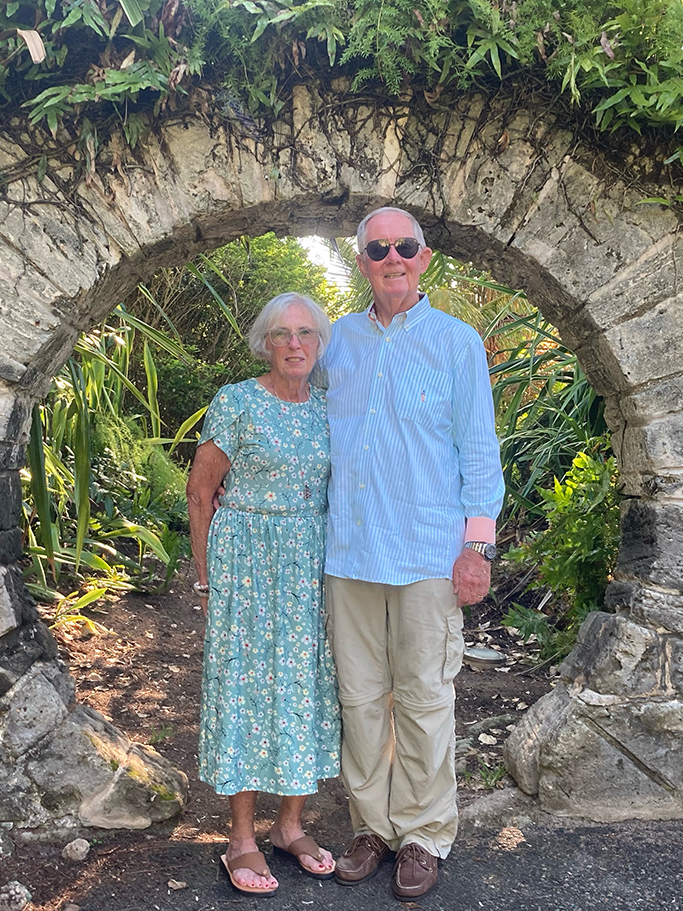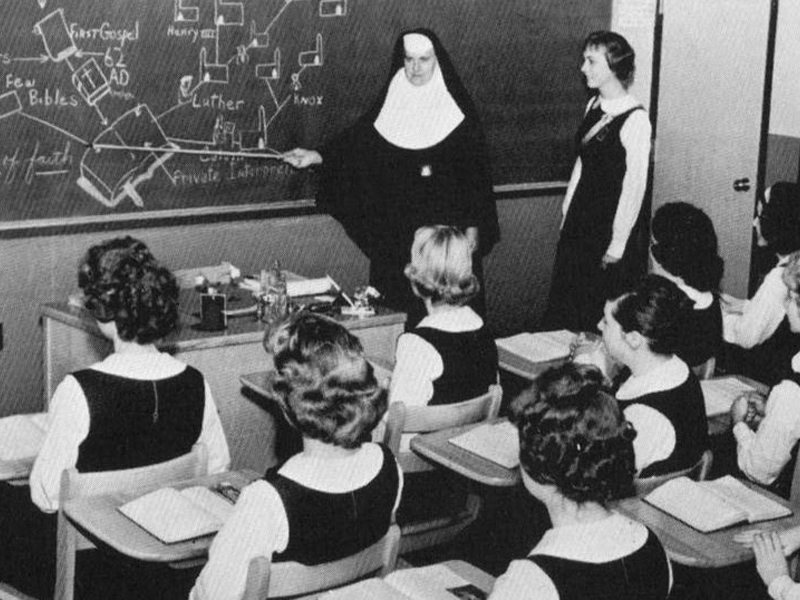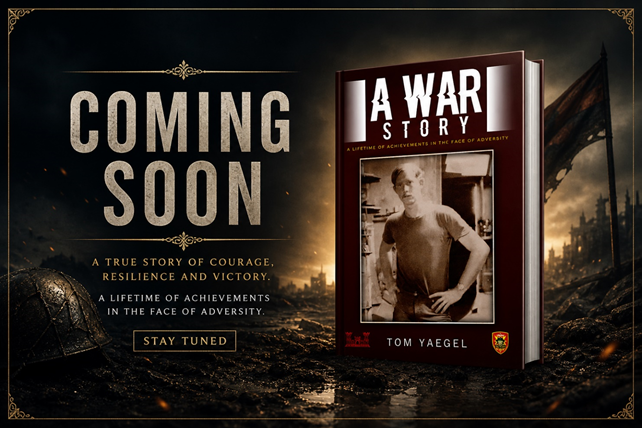

With each passing generation, the connection to our roots can quietly begin to fade. As technology connects us globally, many families find themselves increasingly disconnected from their own heritage. Amid this shift, the role of elders in preserving and passing on family history has never been more important—or more overlooked. Elders are not only living links to the past but also keepers of wisdom, tradition, and personal stories that help shape individual and collective identity.
Understanding the value of elders in family history can help future generations stay connected to their cultural roots, maintain strong family bonds, and gain insight into how past experiences influence present decisions.
The Oral Tradition: Stories That Shape Identity
Before genealogy websites and digital archives, family history was passed down orally—from grandparents to grandchildren, from uncles to nieces, from mothers to sons. This tradition of storytelling remains one of the most powerful tools for preserving heritage. Elders hold the memories of childhood neighborhoods, family milestones, migrations, wars, cultural customs, and long-forgotten anecdotes that never made it into written records.
These stories do more than recount events. They create emotional connections between generations, fostering a sense of belonging and continuity. Listening to an elder’s story of hardship, perseverance, or celebration can teach younger family members life lessons that no textbook ever could.
Guardians of Cultural Traditions
Whether it’s a holiday recipe, a language dialect, a prayer, or a unique family ritual, elders often serve as guardians of cultural practices that are slowly fading. They are the ones who remember how meals were prepared before modern appliances, how celebrations were carried out in different homelands, or how traditional songs and dances were taught in childhood.
By actively sharing these customs, elders help preserve the cultural richness of a family and ensure it doesn’t get diluted or forgotten over time. Encouraging intergenerational learning—through cooking together, celebrating traditional holidays, or simply having conversations—can help keep this heritage alive.
Linking the Past to the Present
Elders often provide the only living bridge to a family’s earlier generations. Their memories can fill in gaps in family trees, explain relationships between relatives, or clarify the reasons behind past decisions, such as relocations, changes in last names, or family disputes. These insights provide context that transforms abstract history into personal understanding.
For families interested in genealogy or building family trees, speaking with elders is one of the most accurate and personal sources of information. Dates, places, and names become more meaningful when told with personal narratives, and they often reveal surprising truths that aren’t found in public records.
Lessons from a Life Well-Lived
Beyond historical facts, elders offer something more profound: wisdom. With years of experience navigating life’s challenges, they can provide practical guidance on relationships, parenting, career decisions, and handling adversity. Their stories of triumphs and failures are often filled with humility, humor, and honesty.
In an age where younger generations often turn to the internet for advice, the grounded perspective of an elder can provide a deeper and more personalized understanding of life’s complexities. These conversations are opportunities not only to learn about family history but to understand the values that have shaped a family across generations.
The Importance of Recording Family Histories
As time passes, memories fade—and unfortunately, so do the voices of elders. That’s why it’s important to take intentional steps to preserve their knowledge. Recording interviews, collecting old photographs with written captions, transcribing letters, or simply writing down remembered conversations can become invaluable resources for future generations.
Involving young people in these projects can turn history into a shared activity. Whether it’s creating a scrapbook, filming a video interview, or writing down a family tree with names and stories, these actions reinforce the importance of heritage and give elders a meaningful role in the process.
Creating Space for Intergenerational Dialogue
Modern life often separates generations, whether through geography, schedules, or lifestyle differences. But carving out space for intergenerational dialogue can be immensely rewarding. Setting up family dinners, regular phone calls, or special “story nights” allows younger members to connect with elders meaningfully.
Even in families where language barriers or cultural shifts exist, finding common ground through shared interests—like music, food, or history—can foster deeper understanding and emotional closeness.
Preserving Legacy, Strengthening Bonds
When we honor the role of elders in family history, we do more than remember the past—we strengthen the ties that hold families together. Their presence and stories become a foundation upon which values are passed, identities are formed, and relationships are deepened.
In a world where everything changes rapidly, elders offer something timeless: perspective. Their memories anchor us, their voices guide us, and their love sustains us. Recognizing their role in preserving family history is not just an act of respect—it’s a commitment to keeping our roots alive for generations to come.
Final Thought
Family history is more than names on a chart or dates in a document. It’s the lived experiences, the memories, and the voices of those who came before us. And no one holds that legacy more clearly than the elders in our families. Now is the time to listen, record, and remember—before those stories are lost forever.